






Subscribe to Newsletter
Enter your email address below and subscribe to our newsletter

You are the investigator

Before you sign, transfer money, or place your trust in anyone—do your research. This guide shows you how to systematically and securely verify business partners. Risk Protection Due Diligence
A good feeling isn't enough—business decisions need a solid information base. Those who truly know their counterparts can realistically assess risks and make confident decisions.
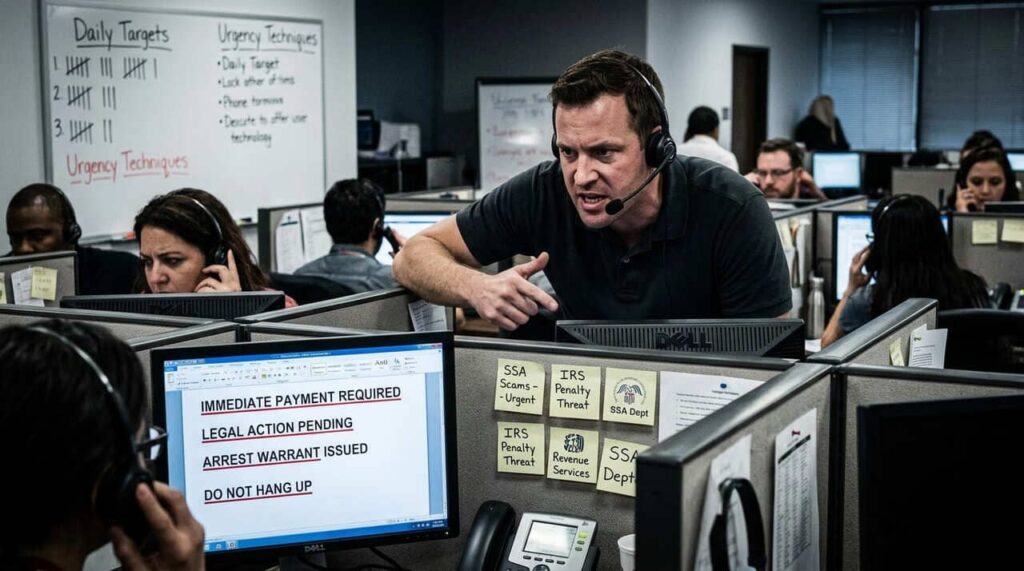
Time pressure is the most important tool of fraudsters. Those who urge haste want to prevent you from checking things out. The faster a decision is demanded, the greater the risk.
Authenticity comes from evidence, not charisma. Trust only after you've verified—not the other way around. Professional partners accept verification requests without resistance.
Every reliable partner audit rests on three pillars. If one pillar is missing, a dangerous gap is created.
Use trusted intermediaries, personal recommendations, or known references. Actively ask: Who knows this person? Who has already done business with them?
Check identification documents, commercial register extracts, and powers of attorney. A legitimate company will not hesitate to present its documents—hesitation is a warning sign.
Compare company data with the website. Does a real website exist? Is the address verifiable? Do the email domain, phone number, and contact details match?
Certain characteristics are clear signs that something is wrong. Those who know these signals can recognize fraud before it occurs.
Mass registrations, shell companies, or addresses shared by dozens of businesses are classic signs of fraudulent companies. Check the address on Google Maps and in the commercial register.
If balance sheets have not been submitted, if there are persistently red figures, or if annual financial statements are missing, this indicates a company without real business activity.
Sudden radio silence after a payment request or advance payment is the most common pattern in fraud cases. Reputable partners are always reachable.
Professional auditing follows a clear process. Those who know this process and apply it consistently protect themselves against most risks.
🔦
📃
🛠️
Always start with official, free sources—much information is publicly available. Only after verifying this foundation is it worthwhile to use paid information services.
Scammers are professionals. They know your expectations — and exploit them effectively. Those who understand their methods are one step ahead.
Attackers create professional-looking websites to simulate trustworthiness. Always check the exact domain name—a single letter can make all the difference.
Quick transactions without prior verification almost always end in loss. Once the money is transferred, it's gone. Reputable providers do not demand full upfront payment without providing anything in return.
Criminals impersonate well-known companies—using nearly identical names, copied logos, and real employee names. Always verify through official channels, never through contacts provided by the sender.
| Test step | source | status |
| Commercial register entry | Federal Gazette | ✅ Mandatory |
| Annual financial statements | Federal Gazette | ✅ Mandatory |
| Identification document | Original | ✅ Mandatory |
| Web & Domain Audit | WHOIS, Google | ✅ Mandatory |
| Court Register | Insolvency announcements | ⚠️ Recommended |
| Credit report | Creditreform / Schufa | ⚠️ Recommended |
A written due diligence report is not just good practice—it's your shield in court. It proves that you exercised due diligence and protects you in future disputes.
Automated information systems such as Creditsafe or Dun & Bradstreet enable a quick initial assessment — but they do not replace a full manual review.
A public contract is awarded under intense time pressure. The bidder is pushing for a quick contract signing and full prepayment — the review process is skipped.
The contractor is no longer reachable after payment is received. The company exists only on paper: empty balance sheet, no real address, no insolvency proceedings possible.
Time pressure is no accident — it's a method. Those under pressure are not supposed to think. Any pressure to hurry is a reason to slow down.
💡 Key point: No reputable business partner would ask you to forgo due diligence. Anyone who does has something to hide.
Those who conduct due diligence protect themselves—not only financially, but also legally and reputationally. Demonstrable due diligence is a competitive advantage today.
Choosing the right business partner is part of your economic security strategy. Poor decisions not only cost money—they tie up resources and jeopardize ongoing projects.
Documented due diligence avoids legal repercussions. Those who can prove they acted with due diligence are in a significantly better position in disputes and liability issues.
A single bad partner can permanently damage a company's reputation. Professional due diligence not only protects capital—it protects your name and your credibility in the market.
Checking saves time. Not checking saves money. The good news: The most important steps are free, quick, and require no special knowledge.
Check the commercial register, website, identification document and financial history — before each appointment, not afterwards.
Compare information provided by your partner with official sources. Take discrepancies seriously – don't ignore them.
Only when all points in the checklist have been ticked off will the contract be signed or payment made. No exceptions.
Their most important tool: Be healthy skeptical of unusually good offers. If a deal sounds too good to be true, it usually is.
Further links: