






You are the investigator


Germany for Beginners: What Nobody Tells You When You Move
Share your love
Germany for Beginners: What Nobody Tells You When You Move
Congratulations! They took the plunge and moved to Germany.
But there's a world of difference between the beautiful Instagram photos of Berlin, Munich, or Hamburg and the harsh reality. Many newcomers (especially from Russia, Ukraine, Kazakhstan, and Belarus) experience a real culture shock after the first few weeks.
In this honest guide, I'll reveal what you need. Nobody says anything about the move. — the unvarnished truth about life in Germany in 2026.
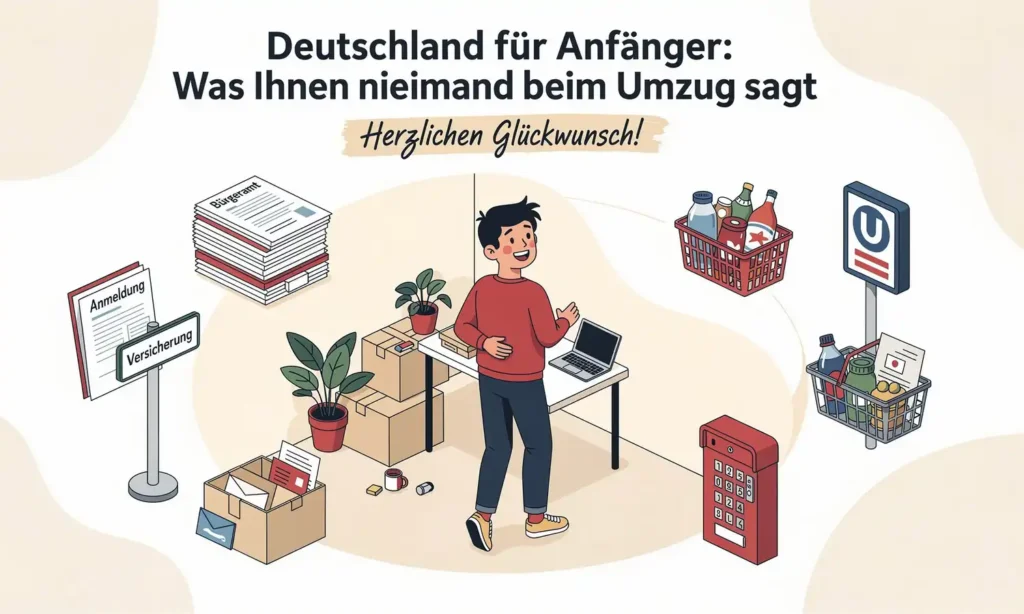
1. Bureaucracy is worse than you think
You thought "registration" was just a formality? Welcome to the world of German bureaucracy.
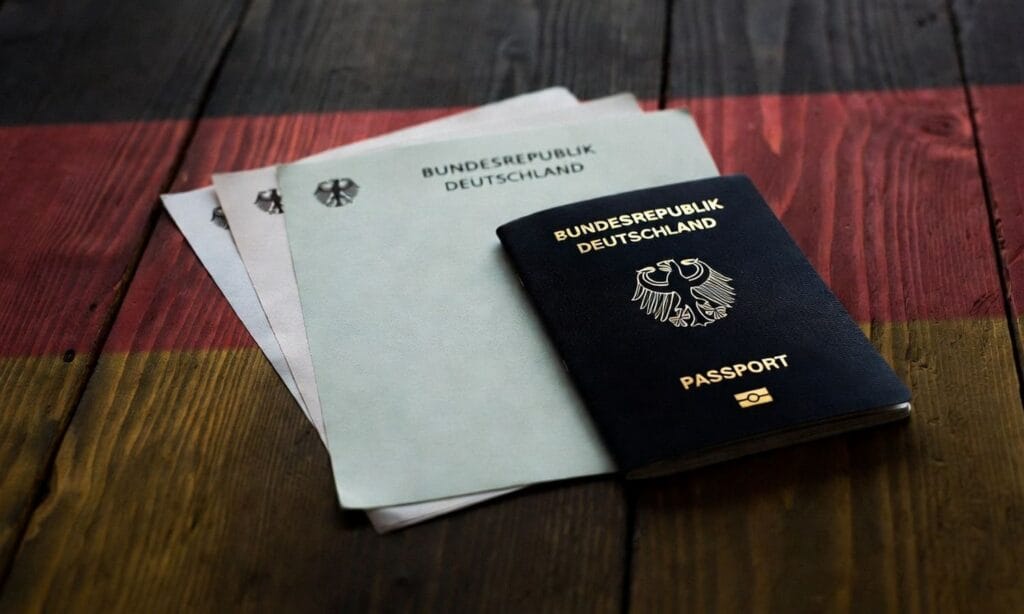
- Residents' Registration Office (Registration) — the most important thing. Without it you get nothing: no tax ID number, no health insurance, no job contract.
- Everything is needed Appointments — often one waits 6–12 weeks.
- Every authority has its own rules. What works in Berlin might not work in Bavaria.
Tip: Make an appointment at the citizens' registration office on your first day. Use the "Terminland" app or your city's website.
2. Finding an apartment is a full-time job.
In major cities (Munich, Frankfurt, Hamburg, Berlin) the situation is brutal.
Many foreigners underestimate how important a perfect application portfolio Without a Schufa credit report, proof of income, and a cover letter in German, you have almost no chance.
Reality: Many people live in a shared apartment or expensive Airbnb for the first 3-6 months before finding a proper apartment.
3. Germans are friendly, but not warm.
Germans don't say "How are you?" out of politeness — they mean it.
Small talk is superficial. Deep friendships develop slowly, but they are very stable.
Important tip: Germans appreciate punctuality Extremely. Being 5 minutes late is already considered rude.
4. Everything is closed on Sundays — and that's intentional.
In almost all of Germany, supermarkets, shops and many restaurants are closed on Sundays.
Many newcomers find themselves standing in front of closed doors at Aldi or Rewe for the first time and are shocked.
Tip: Always do a big shop on Saturdays.
5. The healthcare system is good, but complicated.
You have a great health insurance company — but:
- You often need a referral from your general practitioner to see a specialist.
- Waiting times for appointments can be 2–6 months.
- It is extremely difficult to get appointments for psychotherapy.
Important: Take out private supplementary insurance directly (dentist, glasses, etc.).
6. The weather and the darkness
The German winter is long, gray, and dark. From November to February, it doesn't get light until 8 a.m. and it's already dark by 4:30 p.m. Many people develop winter depression in the first year.
Tip: Take vitamin D, do lots of exercise, and buy lamps that emit daylight.
7. The hidden costs of life
Many underestimate ongoing expenses:
- Electricity, heating and internet are expensive
- Waste separation is mandatory (incorrectly sorted waste = fine)
- GEZ fee (broadcasting fee) — €18.36 per month per household
- Public transport ticket in major cities (monthly ticket often €49–120)
8. The work culture is different
- Germans strictly separate work and private life.
- Overtime is not normal
- Bosses are usually direct and matter-of-fact (which can be perceived as impolite).
- Working from home is standard practice in many industries.
9. Social integration requires active effort
Germans rarely invite people over spontaneously. If you want to find real friends, you have to take the initiative yourself.
- Adult education courses
- Sports clubs
- Volunteering
- Language tandem
10. The positive surprises
Despite all the difficulties, there are things one loves:
- High security
- Clean cities and nature
- Reliable public transport
- High quality of life once you've settled in.
- Fair pay and good social benefits
Practical checklist for the first 30 days
- Registration at the residents' registration office
- Apply for a tax identification number
- Take out health insurance
- Open a bank account (N26, Comdirect or Sparkasse)
- SIM card with a German number
- Learn German (at least B1 level)
- Join the tenants' association
FAQ – What beginners ask most often
Question: Do I really have to learn German?
Answer: Yes. Without B1, everything becomes much more difficult — job, authorities, friends.
Question: How quickly can I adapt to life?
Answer: Most people need 6–12 months to feel „at home“.
Question: Is it difficult to make friends as a Russian/Ukrainian?
Answer: It's possible, but you have to be proactive. Many (Russian-speaking) communities offer help in the beginning.
Question: Is the move even worth it?
Answer: For most, yes — after the first difficult year, life becomes significantly better and more stable.
Conclusion
Germany is not paradise, but it is a country with clear rules, high safety standards, and good opportunities. The biggest mistake beginners make is expecting everything to be like home—only better.
Be patient with yourself. Culture shock is normal. After 1–1.5 years, most people will say: "It was difficult, but it was worth it."„
You are the investigator.
Now you are not only investigating for your new life, but actively shaping it.
Further links:
- The 10 most expensive mistakes when searching for an apartment
- Will the immigration authorities reject you?
- Job center, Hartz IV or citizen's income
Welcome to Germany — make the most of it!