






Subscribe to Newsletter
Enter your email address below and subscribe to our newsletter

You are the investigator
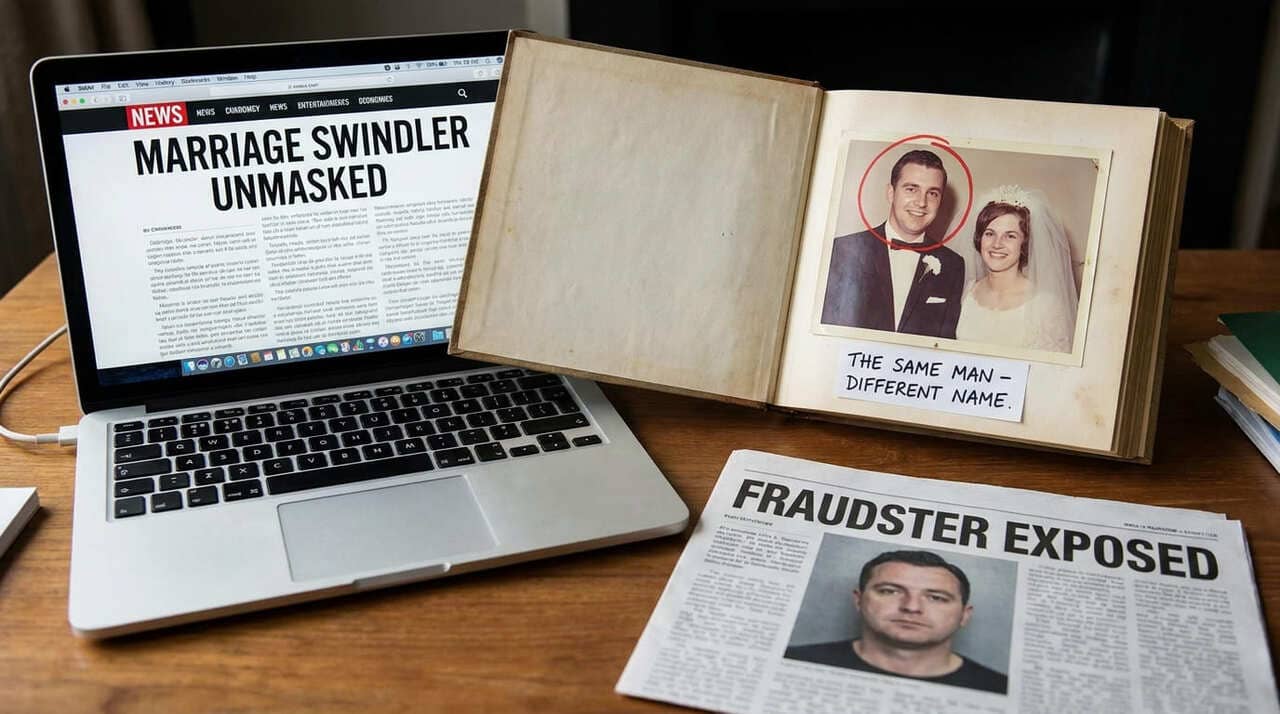

It was a story that could have been straight out of a crime novel, if it weren't tragically true. But in our case, the deception ended with justice – thanks to modern digital forensics and the unwavering tenacity of a woman who refused to be deterred.

It all started with a message on a dating platform. A charming man named "Michael" made contact—perfectly staged, with a radiant smile, travel photos from exotic countries, and a story that could have come straight out of a novel. He was supposedly a wealthy businessman, frequently on the go, but desperately searching for true happiness. The woman—let's call her Anna—was initially skeptical, but "Michael" was incredibly thoughtful and romantic.
After weeks of intense contact, the proposal came. The virtual meetings became more personal, the love deepened. But then it happened: the first money transfer. It was for an alleged emergency at his business, followed by more. Engagement ring, wedding costs, travel expenses – everything was to be settled quickly. But the more Anna transferred, the more problems seemed to arise for "Michael.".
It was a sleepless night when Anna decided to take matters into her own hands. She had a suspicious feeling – too many inconsistencies, too many excuses. She examined the profile picture that "Michael" had regularly sent her: a portrait of him in a protective suit, wearing sunglasses, with a hotel lobby in the background.
The first weapon in her arsenal was Google Reverse Image Search – a simple but powerful tool. She uploaded the photo, and the system immediately displayed multiple results. The image was all over the internet – not just on one, but on at least fifteen different dating profiles, in Facebook accounts, even on LinkedIn as the supposed CEO of a Romanian company.
But it got even more interesting.
Anna contacted digital forensic experts, and what they discovered was shocking. The photo contained EXIF data – hidden metadata that is generated when every digital image is saved. This data often reveals more than one would like: timestamp, camera type, sometimes even GPS coordinates.
The analysis showed that the image was indeed taken by a camera that was several years old. But the most interesting finding was the GPS data. The photo hadn't been taken at a hotel pool in Miami—as "Michael" had claimed—but in a small town in Nigeria, about 150 kilometers from Lagos. The metadata suggested a registration center for identity documents and profile pictures.
Anna took this information to the police. In cooperation with Nigerian law enforcement, the authorities were able to uncover an international fraud ring that had defrauded over one hundred women in Europe, America, and Australia. The financial damage amounted to several million euros.
This true story teaches us several important lessons:
In the digital age, we are all investigators. A single photograph, combined with modern analytical tools and common sense, can bring the truth to light. Anna's story ends with justice—not because of a lucky coincidence, but because she used the right tools and never gave up.
The moral of the story? Trust, but verify. In the world of online dating and digital communication, this simple lesson could save you from enormous pain.
This article is part of our series “Digital Investigations”, in which we analyze real cases that show how technology and human perseverance work together to bring fraudsters to justice.