


Subscribe to Newsletter
Enter your email address below and subscribe to our newsletter

You are the investigator
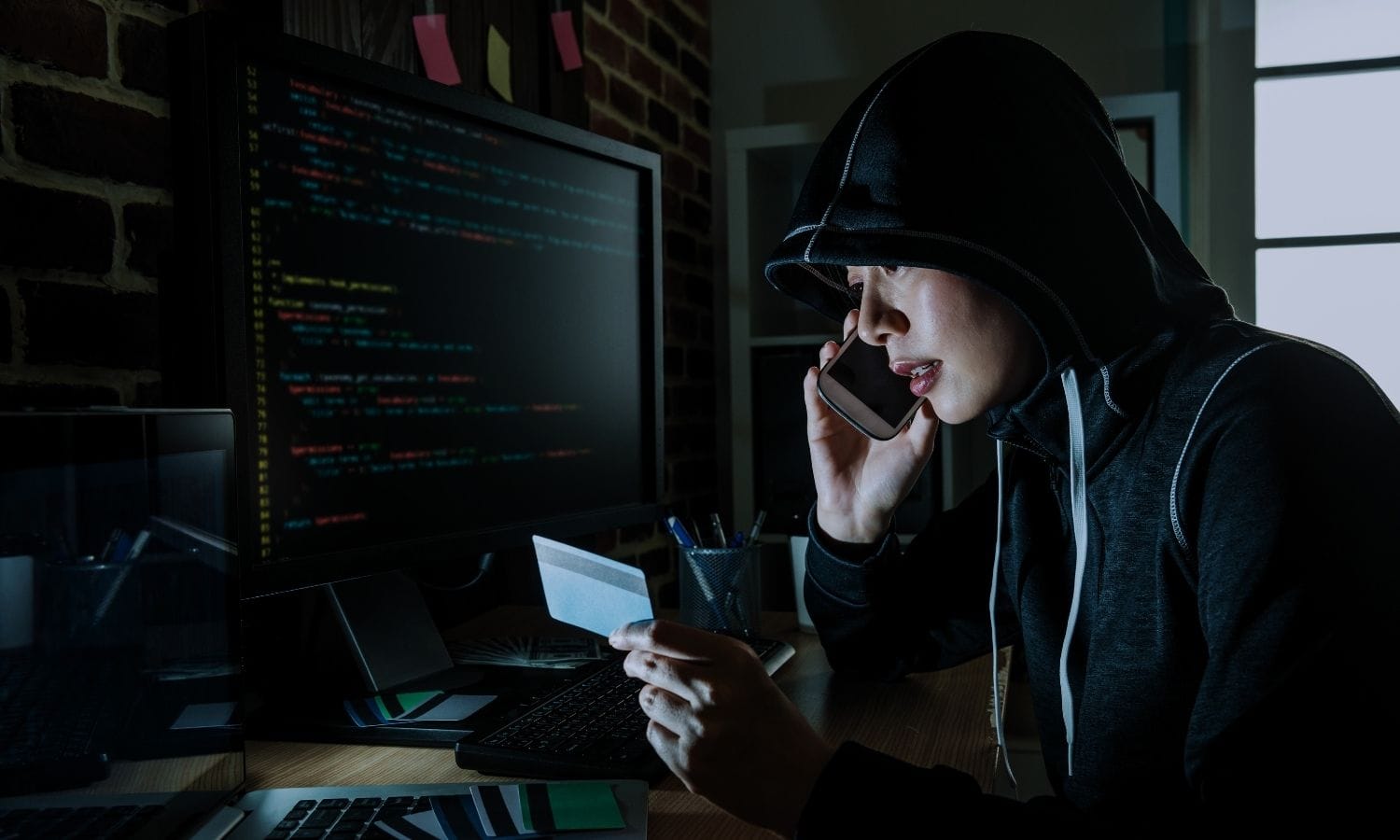
It is 11:14 PM. Her phone vibrates. A message from her "daughter": "Dad, I had an accident and urgently need €2,800 for the tow truck. Please help me!" The voice in the voice message sounds exactly like her.
This is no coincidence. This is AI vote fraud — one of the newest and most dangerous scams of 2026.
In this article we will introduce you to the 8 of the latest scams in Germany, which are particularly active right now. You will learn how they work and – above all – how you can protect yourself against them 100%.
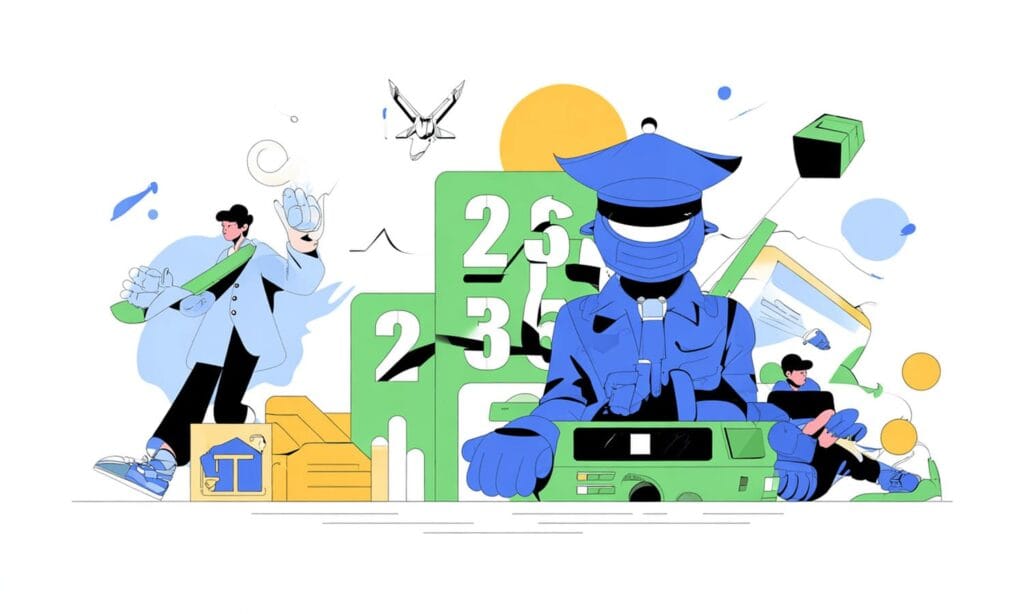
Scammers use AI tools to perfectly mimic the voices of your family members. They call and fabricate emergencies (accident, arrest, lost passport).
As you can tell: Always use a pre-agreed code word with your family. Real family members know it.
You receive a text message: „Your package cannot be delivered. Pay a €1.99 surcharge here.“ The link leads to a fake website.
2026 Trend: Scammers are using real tracking numbers obtained from data leaks.
Protection: Never click on links in text messages. Always check directly on the delivery service's official website.
A seemingly professional "advisor" contacts you via Instagram, LinkedIn, or Telegram. They display fake profits and lure you with crypto investments.
New trick for 2026: Deepfake videos in which "famous" people (e.g. Elon Musk or German influencers) supposedly invest.
A warning appears on your screen: "Your computer is infected with a virus. Call this number immediately."„
The "technician" takes over your PC remotely and "finds" problems that can only be solved for a fee.
The classic grandparent scam is combined with a romance scam. First, months of loving communication, then suddenly an emergency involving a "relative".
Scammers impersonate employees of official authorities and demand "repayments" or threaten penalties if action is not taken immediately.
Important: No legitimate authority ever requests money or data via telephone or email.
Fake QR codes appear in parking lots, cafes, on invoices, or in WhatsApp messages. Scanning them installs malware or redirects users to phishing websites.
Once an emotional bond has been established, the victim is persuaded to invest in cryptocurrencies. This is often followed by blackmail using intimate photos or videos (often deepfakes).
Thomas from Hamburg lost almost €38,000 to AI voice fraud. His "son" called him and sounded deceptively real. Fortunately, through quick action and cooperation with Bank 70 %, he was able to recover the money.
The con artists of 2026 are highly professional, technically well-equipped, and psychologically skilled. But they have one crucial advantage: Knowledge and caution.
Each of the scams described here only works if you panic or act under time pressure. Always take 5 minutes to think and double-check – that's the best protection.
Save this article. Share it with your parents, children, and friends.
Further links:
You are the investigator. Stay vigilant — and don't get fooled.