





Subscribe to Newsletter
Enter your email address below and subscribe to our newsletter

You are the investigator
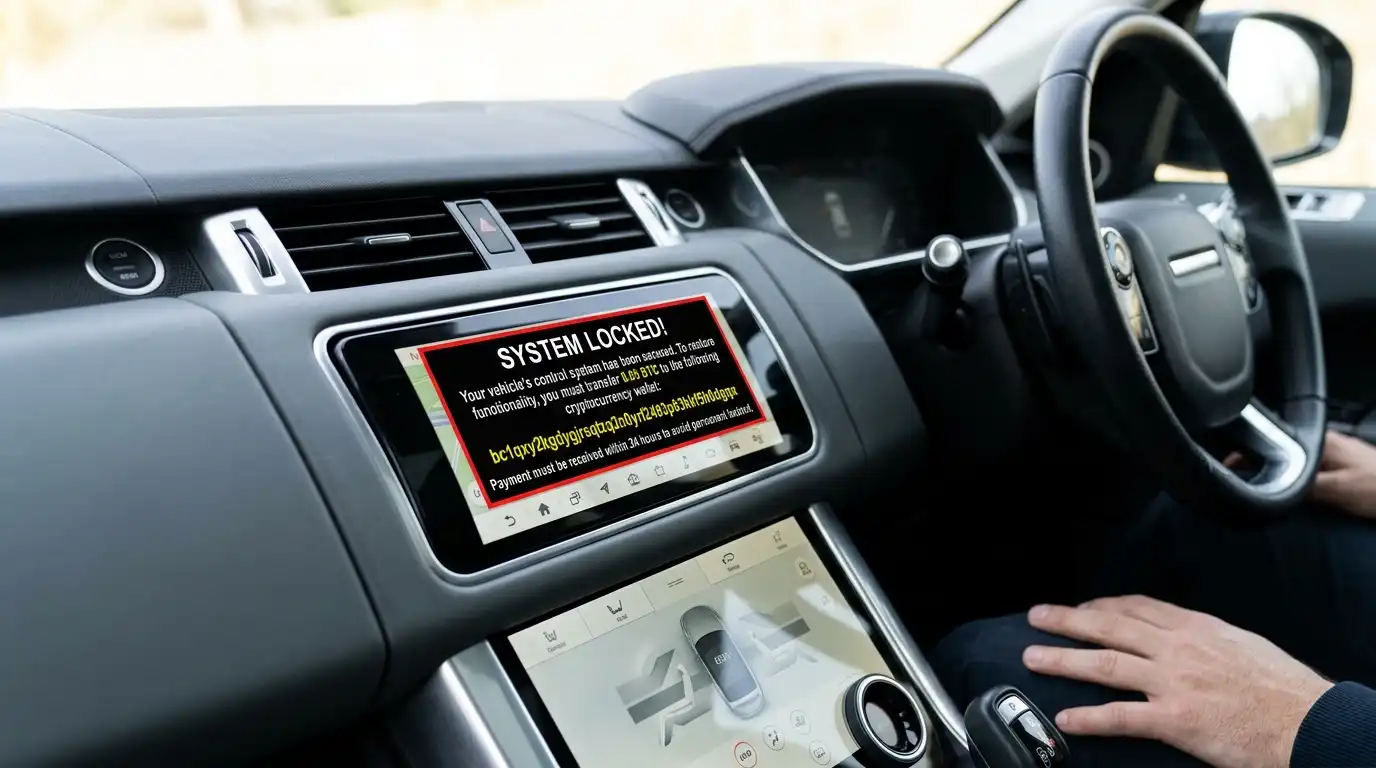
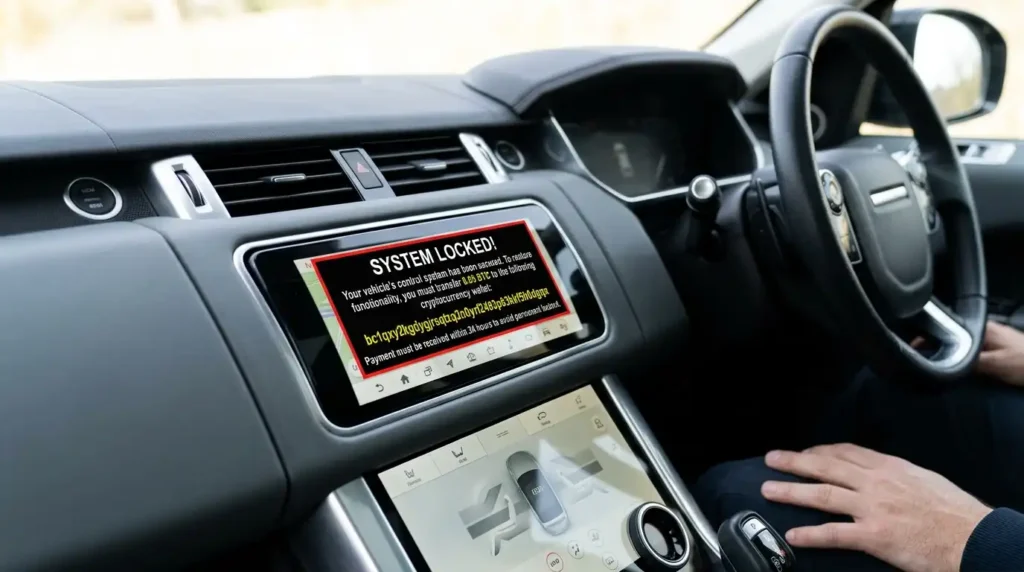
Car hacking: Discover how criminals hack car multimedia systems, what risks arise, and how you can effectively protect your vehicle.
A modern car is no longer just a means of transportation, but literally a "smartphone on wheels". With the growing success of Android-based multimedia systems and the integration of CarPlay, Android Auto, and proprietary operating systems in electric vehicles and Chinese brands, cars have become an attractive target for cybercriminals.
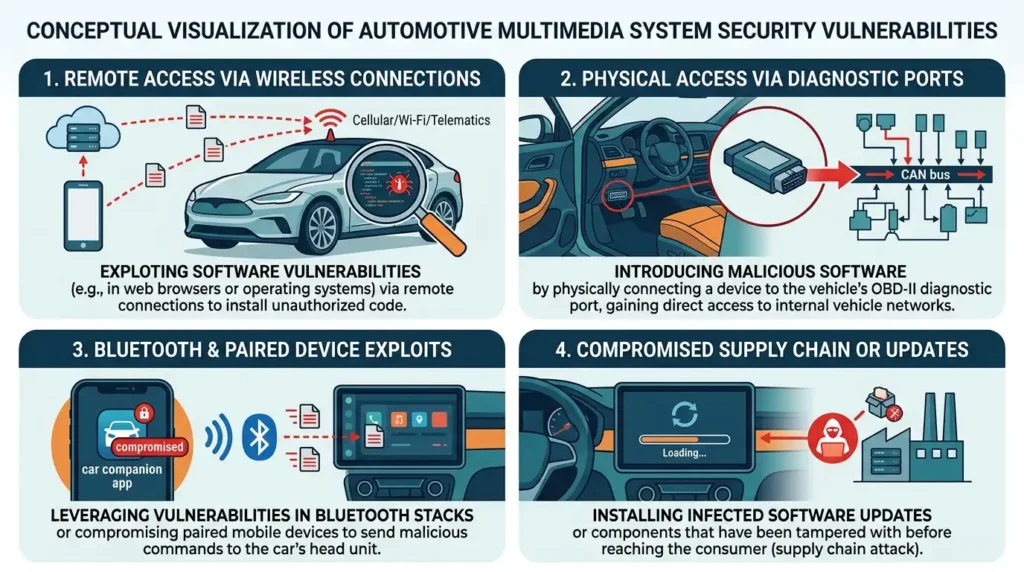
Below we explain in detail how attackers gain access to the multimedia system, what risks this poses for the vehicle owner, and how to protect your car.
Note: This article is solely for informational purposes regarding security vulnerabilities and preventative measures. It does not provide detailed instructions for carrying out attacks – that would be illegal and irresponsible.
| Function: Why is it interesting for attackers? | |
| Internet and mobile connection (LTE/5G, Wi-Fi, Bluetooth) | Direct line to the outside world – entry point for remote attacks. |
| Smartphone integration (Apple CarPlay, Android Auto) | Brings the driver's mobile phone into the vehicle network; malware can be downloaded and executed via the smartphone. |
| Over‑the‑Air (OTA) updates | Ability to update firmware remotely – a compromised server can distribute faulty software. |
| USB/Aux ports | Physical access allows the injection of malicious code (e.g., via manipulated media files). |
| CAN bus connection | The infotainment module is often connected to other control units via the vehicle bus – a hacked module can send commands to critical systems (e.g. brakes, steering). |
| Measure Why it's important Practical tip | ||
| Install software updates regularly | Manufacturers are closing known vulnerabilities. | Use official OTA updates; verify that the update signal is coming from an authenticated server. |
| Activate Bluetooth/Wi-Fi only when needed. | Reduces the attack surface. | Switch both off after getting in and out of the vehicle if you don't need them. |
| Trusted USB sources | BadUSB attacks require physical access. | Use only original manufactured cables/sticks; do not allow the system to start automatically with third-party USB devices. |
| Smartphone security | The mobile phone is often the weakest link. | Only install official apps, update the OS, and activate a mobile security solution. |
| Passwords/PIN codes for infotainment | Prevents unauthorized access. | Enable PIN code verification at system startup (if supported). |
| Network firewalls in the car (if available) | Blocking unwanted traffic. | Check if your vehicle has an integrated intrusion detection system (IDS); activate it. |
| Separate critical functions from the infotainment system | A clear separation reduces the risk of "lateral movement". | Many manufacturers offer separate networks for infotainment and vehicle controls – take advantage of this architecture. |
The infotainment system of modern vehicles is a highly networked subsystem that offers numerous attack vectors: wireless interfaces, physical connections, and the connection to the vehicle's bus. Fraudsters primarily use Bluetooth/Wi-Fi exploits, manipulated USB sticks, and fake OTA updates to inject malicious code and, in the worst-case scenario, take over critical vehicle functions.
As a car owner, you can significantly reduce the risk by always installing software updates promptly, only activating wireless connections when needed, using only trusted USB devices, and keeping your smartphone clean. Manufacturers, for their part, are working on stronger signatures.‑ and boat‑Security, network‑Segmentation and bug bounty programs – but a large part of the responsibility lies with you as the user.
Stay vigilant, regularly check for security updates from your vehicle manufacturer, and don't hesitate to contact customer service or a specialist workshop if you suspect unauthorized access. Automotive safety is a collaborative effort – manufacturers, researchers, and drivers must work together to maintain trust in connected mobility.