

Subscribe to Newsletter
Enter your email address below and subscribe to our newsletter

You are the investigator
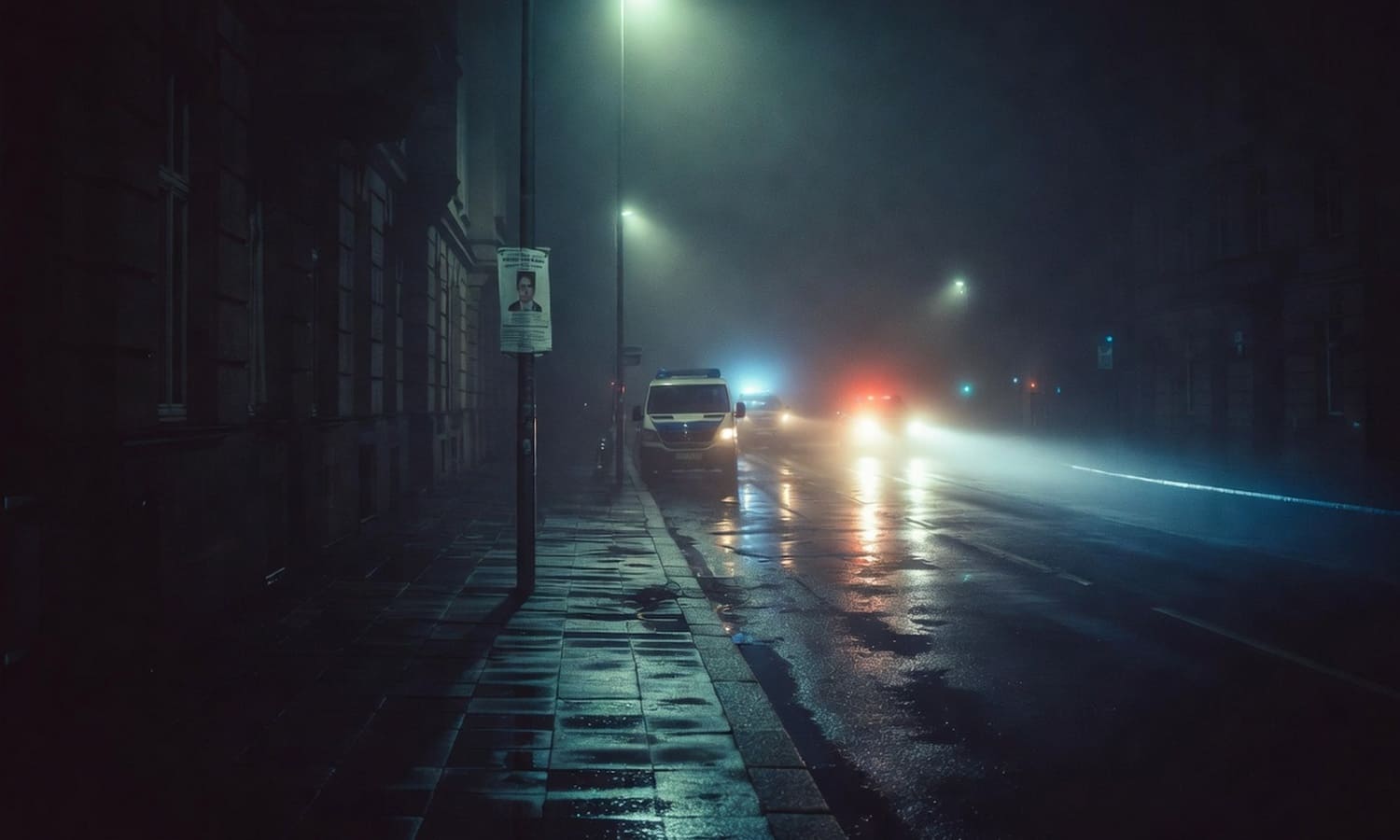
February 15, 2020.
A perfectly ordinary Friday in Berlin. Fifteen-year-old Rebecca Reusch leaves her sister's house in Britz in the morning to go to school. She is never seen again.
Six years later, in 2026, the Rebecca Reusch case remains unsolved — and is considered by many investigators and true-crime experts to be one of the most gruesome and frustrating unsolved cases of German criminal history.
On the morning of February 15, 2020, Rebecca left her older sister's apartment at approximately 8:20 a.m. She was wearing a light denim jacket, black pants, and white sneakers. Her cell phone was switched on. At 8:34 a.m., the device was last located near the house. After that—nothing.
No body. No DNA trace. No witness who saw anything crucial.
The police launched one of Berlin's largest search operations. Hundreds of police officers, divers, dog handlers, and volunteers combed parks, lakes, and wooded areas. In vain.
The brother-in-law
The sister's husband, Florian R., quickly became a suspect. He was the last person to claim to have seen Rebecca alive. There were inconsistencies in his statements, and traces of blood that could be linked to Rebecca were later found in the apartment (albeit only very small amounts).
Florian R. was questioned multiple times, his apartment was searched, and he was even held in pretrial detention. Ultimately, the public prosecutor's office had to release him due to a lack of sufficient evidence. To this day, he is considered the prime suspect—but there isn't enough evidence for an indictment.
Other traces:
What makes the Rebecca Reusch case so unbearable is not just the disappearance of a young girl — but the absolute Radio silence Then. No ransom demand. No body. No suicide note. Simply—nothing.
The family has been living in a hell of uncertainty for six years. The parents and siblings are visibly aging under the burden. Every year on February 15th, new appeals are launched. Always without success.
Critics accuse the Berlin police of several serious errors:
To this day, the case is being handled by a small special commission, but activity has decreased significantly.
New hope emerged in the spring of 2026: modern DNA techniques (genetic genealogy) and the analysis of old evidence using new software. The police have announced they will re-examine all the evidence.
Nevertheless, the probability that Rebecca is still alive remains extremely low. Most experts assume she was murdered.
Question: Why wasn't the brother-in-law convicted?
Answer: There is a lack of legally admissible evidence. Circumstantial evidence is not sufficient for a conviction in Germany.
Question: Are there any new clues in 2026?
Answer: The police are keeping quiet, but speak of "promising new approaches" through modern forensics.
Question: Is there anything an ordinary citizen can still do to help?
Answer: Yes. Every clue, even the smallest, could be crucial. The reward remains €10,000.
Question: Will the case ever be solved?
Answer: Many cold cases are only solved after 10, 20, or even 30 years. Hope dies last.
The Rebecca Reusch case is more than just an unsolved crime. It symbolizes the helplessness of modern investigative authorities when a perpetrator leaves no traces—or when the traces are insufficient.
Six years of silence. Six years of suffering for a family. And six years in which a suspected perpetrator could be walking free.
As long as the case remains unsolved, Rebecca Reusch will not only be a name in the files — but a reminder: The truth can sometimes take a very long time to come to light.
You are the investigator.
Perhaps the crucial information lies right there with you.
If you know anything or have observed anything suspicious — please contact the Berlin police or the special commission „Rebecca“.
The family has been waiting for a response since 2020.
Further links: