



Subscribe to Newsletter
Enter your email address below and subscribe to our newsletter

You are the investigator
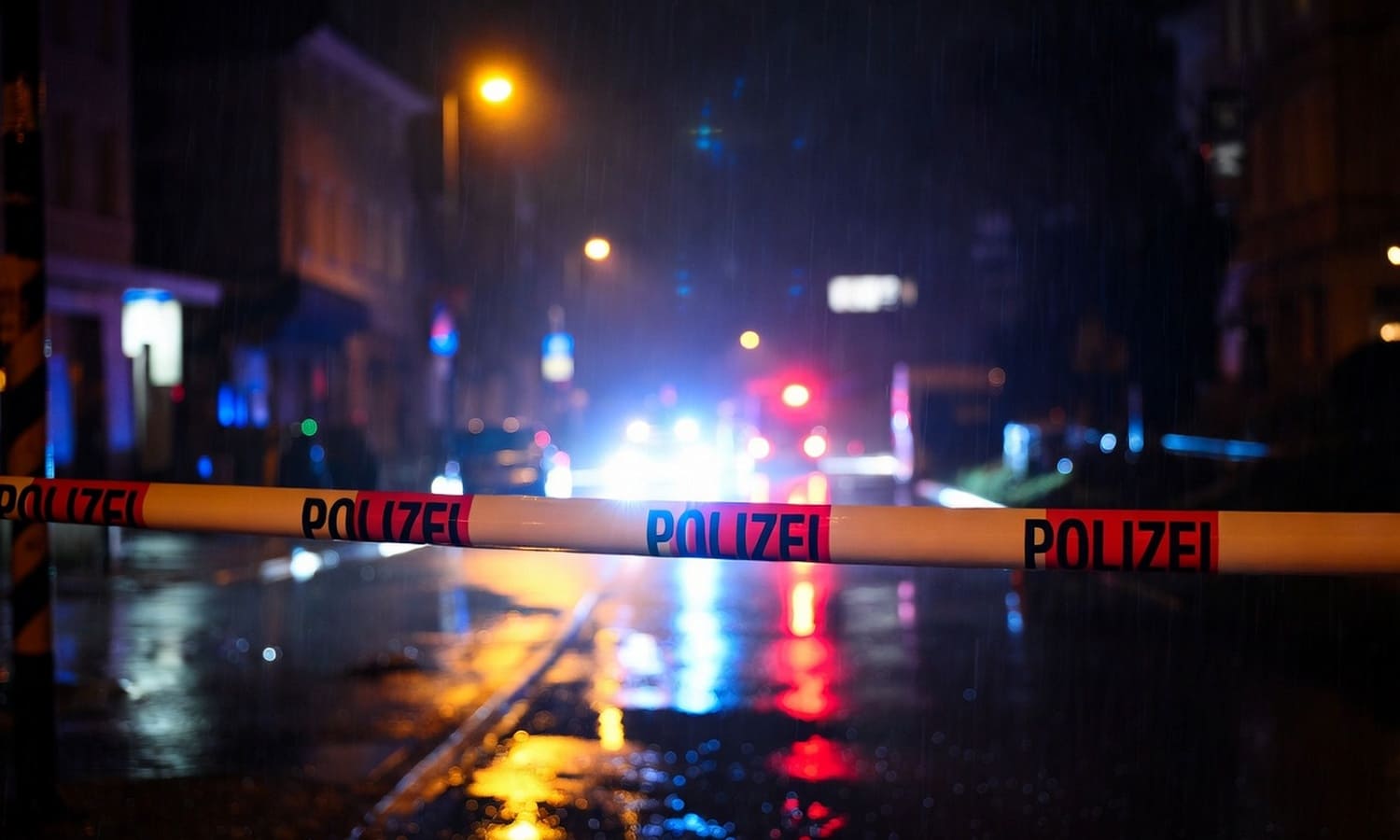
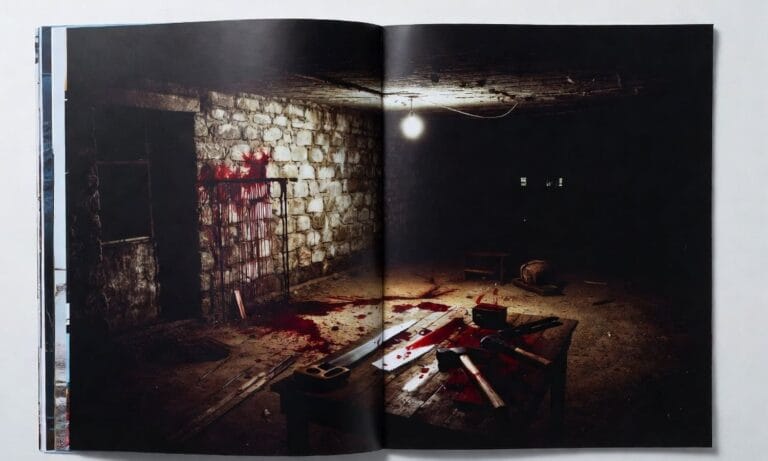
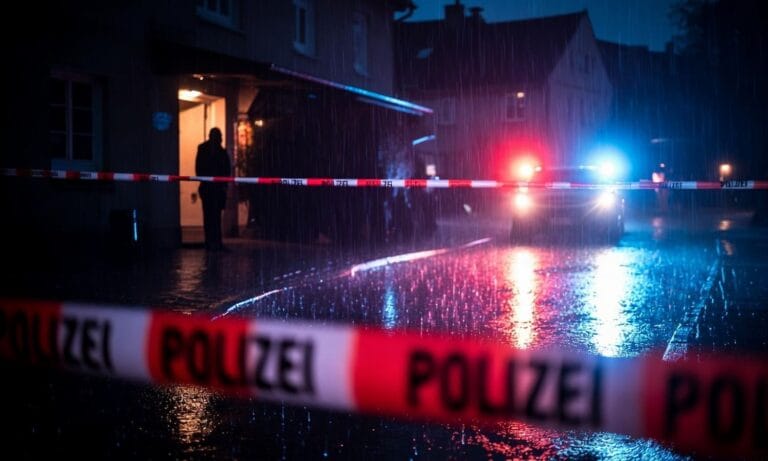
They come at night.
No masks, no scruples. Often with silencers. It's all over in minutes. Then they disappear again into the Russian-speaking parallel world—in saunas, shisha bars, and expensive restaurants in Berlin-Marzahn, Munich, or Duisburg.
While the German public primarily thinks of Arab clans, a largely invisible, highly professional underworld from the post-Soviet space has existed since the 1990s. Its crimes are often more brutal, organized, and difficult to solve than anything else.
This is a look into the darkest chapters of Russian-speaking crime in Germany.
Since the fall of the Soviet Union, so-called „Wor v Sakone“ (Thieves-in-Law) in Germany. This highly organized elite of the Russian underworld has strict rules: no cooperation with the police, no official work, strict hierarchy.
In Berlin and North Rhine-Westphalia, they control large parts of the drug trade, extortion, and cigarette smuggling. Their strength: extremely high discipline and brutal punishments for informers.
Particularly gruesome: If someone wants to "leave" the organization, the entire family is often threatened or killed — a tactic that German investigators rarely see in other groups.
One of the most brutal cases: A Russian-speaking man threw acid in his ex-girlfriend's face because she wanted to break up with him. The woman lost sight in one eye and suffered severe burns.
The perpetrator was part of an organized crime network. The case demonstrated how quickly personal conflicts can escalate within this scene—and how difficult it is to get witnesses to talk. Many remain silent out of fear of reprisal.
Berlin is considered the European capital of Russian-speaking contract killings.
The most famous case: The murder of the Chechen exile fighter Zelimkhan Khangoshvili In the Kleiner Tiergarten in 2019, a Russian agent (Vadim Krasikov) shot him dead in broad daylight. The incident led to a massive diplomatic crisis between Germany and Russia.
But there are dozens of lesser-known cases:
The perpetrators often travel from Russia or Georgia, carry out the mission, and then disappear again.
Besides violent crime, there is a huge gray area:
Many of these networks exploit the close-knit Russian-speaking community — where silence is considered a code of honor.
Behind the headlines lie ruined lives. Many Russian-speaking immigrants live completely legally and are well integrated in Germany. However, the criminal minority casts a dark shadow over the entire community and hinders integration.
Parents lose sons to the „Bratva“, women are forced into prostitution, and honest businessmen pay protection money.
Question: How big is the problem really?
Answer: Police estimate that Russian-speaking groups are among the most active organized crime networks in Germany — especially in Berlin, North Rhine-Westphalia and Bavaria.
Question: Are there any connections to the Russian state?
Answer: In some cases (like the Khangoshvili murder), yes. In many others, it is pure crime.
Question: Why do we hear so little about this in the media?
Answer: The cases are often complicated, linguistically difficult to access, and have less "sensational value" than clan crime.
Question: Can an ordinary citizen protect themselves?
Answer: Yes — by being cautious when dealing with unknown individuals from the scene and conducting thorough OSINT checks.
The darkest secrets of Russian-speaking criminals in Germany often remain hidden — not because they are small, but because they are extremely professional, brutal and difficult to grasp.
It is a parallel world of honor, blood, and silence that exists alongside normal German everyday life. While most Russian-speaking people live peacefully and industriously, a small but highly dangerous minority spreads fear and terror.
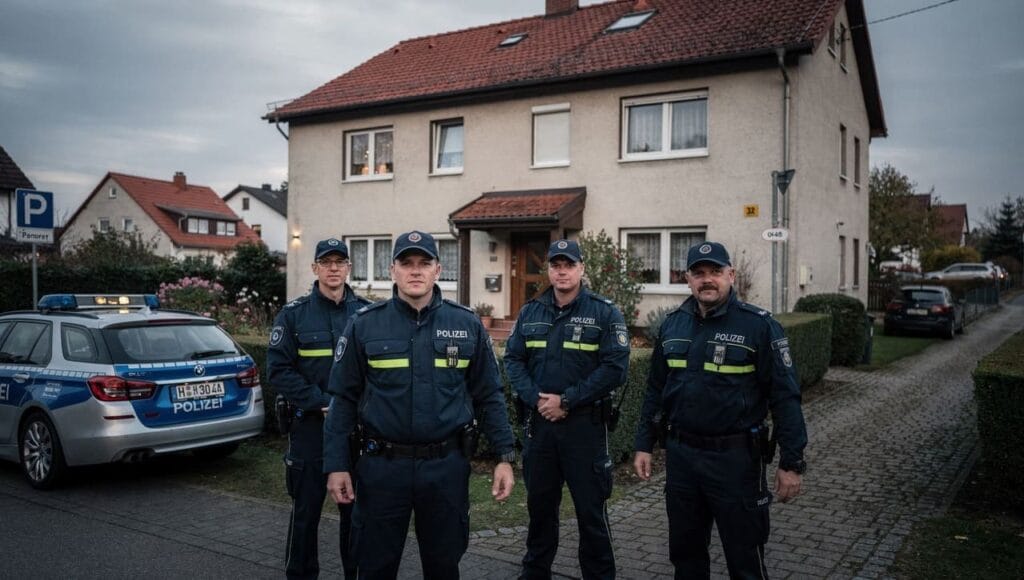
The police have made progress in recent years — but the fight against this form of organized crime remains one of the biggest challenges for the German justice system.
Further links:
You are the investigator.
Sometimes the darkest secrets lie right next to us — you just have to look closely.